Solar System Installation Guide for California Homes
A practical homeowner’s guide to roof assessment, solar design, battery planning, permits and utility activation in California.

Sample article · Copy, author profile and dates are placeholders for approval; portrait is illustrative.
What should you check before installing solar?
Start with your electricity use, roof condition and goals. A system designed to reduce utility purchases may look different from one planned around evening energy use or outage backup. Gather recent electricity bills and note future changes such as an electric vehicle or heat pump.
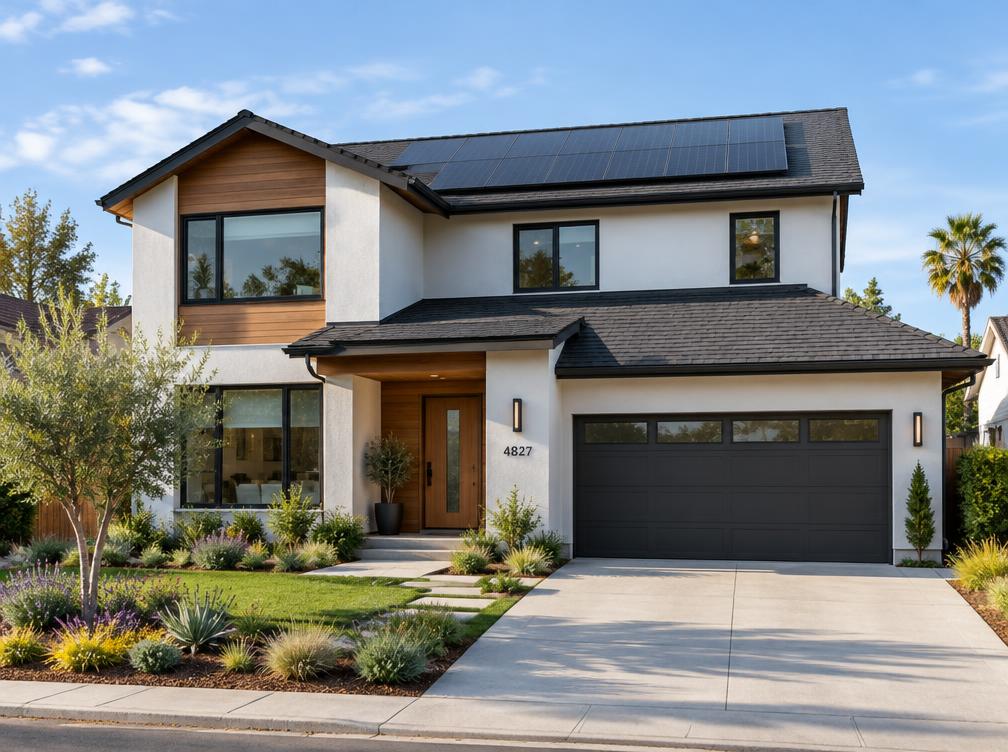
The U.S. Department of Energy identifies roof age, shading and available roof area as important suitability factors. A site assessment should consider these together, rather than treating panel count as the starting point. [1]
Electricity from sunlight, designed around your site.
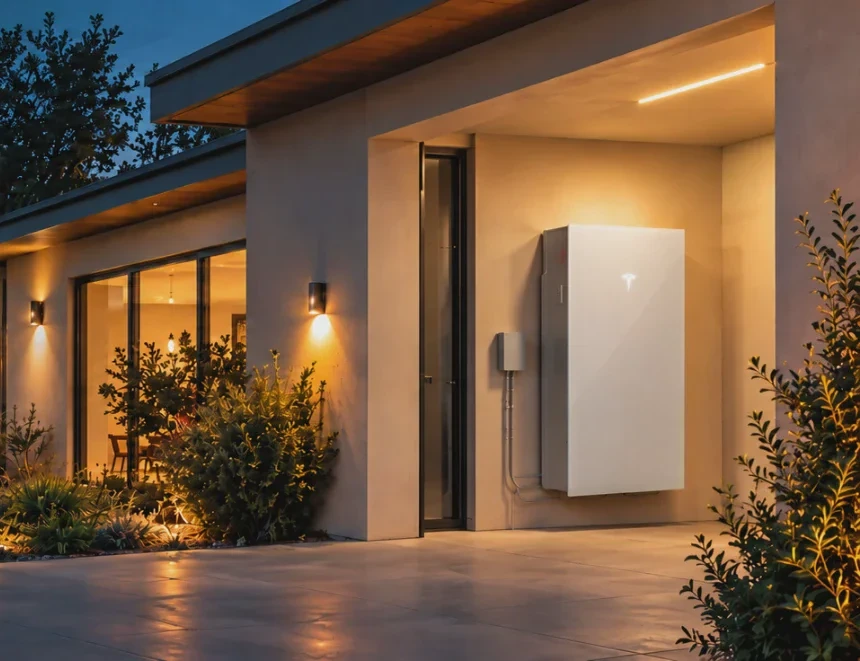
Energy held for later, with backup scope defined up front.
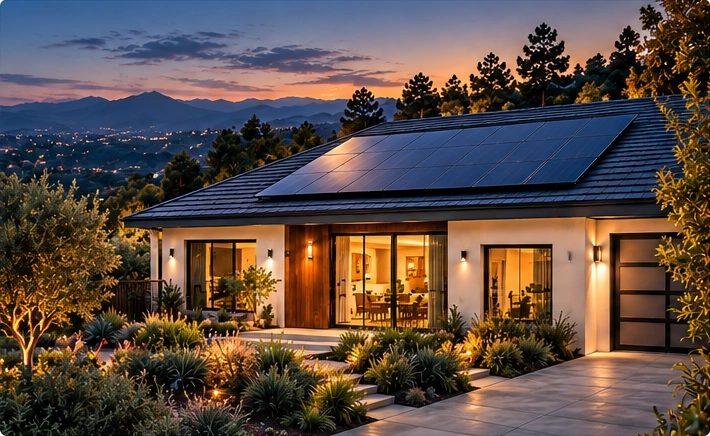
Bring your roof and energy use into the same conversation
Ask whether roofing work is needed before panels go on, where equipment will be placed, and whether your electrical service needs attention. Discuss the equipment layout with your installer before approving the design.
Should you choose solar alone or add a battery?
Solar panels generate electricity when sunlight is available. A compatible battery can store energy for later. Outage backup requires equipment and a design configured for that purpose; panels alone generally do not keep a grid-connected home powered during a utility outage. [3]
Choose storage around the loads you want to support, their power requirements and the length of backup you are planning for. Available battery charge, weather and household use all affect real-world coverage. Discuss selected essentials before assuming whole-home backup.
How does California’s solar billing affect the decision?
The CPUC’s Net Billing Tariff applies to eligible new customers of PG&E, SCE and SDG&E. Export compensation and the price of purchased electricity are different, making the timing of household energy use important. Municipal utilities and existing customers can have different rules. Confirm the tariff with your own utility. [2]
| Consideration | Solar alone | Solar + battery |
|---|---|---|
| Daytime electricity | Generates when sunlight is available | Generates and can charge storage |
| After sunset | Uses grid electricity without other supply | Can use stored energy while charge remains |
| Outage backup | Generally not available on a standard grid-tied system | Possible with a compatible backup design |
| Planning focus | Roof, usage and utility tariff | All solar factors plus loads and storage capacity |
What happens during a residential solar installation?
The process includes assessment, system design, permits, installation, inspection and utility approval. Your installer should explain who manages each stage and which decisions need your input.
During assessment, the team reviews the roof and electrical setup. The design documents define panel placement, equipment and any storage scope. Local authorities then review applicable permits before installation and required inspections.
When can you switch the system on?
Installation is not the same as activation. A grid-connected system must complete the applicable inspection and utility interconnection process. Ask your installer to confirm when the utility has authorized operation, rather than assuming a finished roof installation is ready to use.
How do you compare solar proposals fairly?
Compare scope and assumptions, not just the total price. Request an itemized proposal showing equipment, estimated production, storage configuration, roof or electrical work, warranty terms and the responsibilities of each party.
For a savings estimate, ask which utility tariff, usage profile and future rate assumptions were used. Keep estimated energy production separate from promised bill reductions. The CPUC Solar Consumer Protection Guide is a useful starting point when reviewing contracts. [4]
What should your final proposal make clear?
A useful proposal identifies exclusions, payment milestones, expected approvals, equipment warranties and who to contact for service. Avoid comparing a solar-only proposal with a solar-plus-battery proposal as if the scope were identical.
What is the right next step for your home?
Bring your electricity bills, roof questions and backup priorities to an initial conversation. Ask for a design that explains its assumptions and reflects your home, rather than choosing equipment before understanding the site.
AMECO provides solar, battery backup and roofing solutions for California homes. A home-specific assessment can help you understand the options and the work needed before making a decision.
Explore residential solar, battery backup and roofing solutions.
Frequently asked questions
Sources & references
Primary references for this sample guide. Utility requirements and equipment choices should be confirmed for your project.